

A handmade rug is among the most durable objects in any home, but its longevity depends heavily on how it is maintained. The same craftsmanship that makes a hand-knotted wool rug last a century can be undermined by a single misjudged cleaning decision. How to care for rugs varies significantly by material — and the differences matter. What works on wool can damage jute; what is safe for cashmere may be too harsh for silk. This guide covers each material in detail, with a seasonal maintenance calendar and a practical emergency stain protocol for every fiber type.
Wool Rug Care
Wool is the most forgiving of the natural rug fibers, and the most widely used in fine handmade rugs. It has a natural crimp that allows it to spring back after compression, a lanolin content that resists soiling, and a protein structure that responds well to gentle moisture-based cleaning.
Daily and weekly care. Vacuum your wool rug weekly using a suction-only vacuum. Avoid beater-bar or rotating-brush attachments, which can stress the foundation and pull individual fibers loose over time. Vacuum in the direction of the pile. Rotate the rug every six months so that foot traffic and sunlight exposure are distributed evenly across the surface.
Spot cleaning. Blot liquid spills immediately with a clean white cloth, working from the outside of the spill inward to prevent spreading. Never rub. For solid debris, allow it to dry fully, then break it apart gently and vacuum. For most stains, a solution of cold water and a small amount of pH-neutral wool wash (never regular dish soap or any product containing bleach) applied with a damp cloth will suffice. Work gently, blot dry, and allow the area to air dry completely. Avoid soaking the rug.
Deep cleaning. Professional cleaning every 18 to 24 months is recommended for wool rugs in active households. A reputable rug cleaner will wash the rug by hand or with a low-moisture method, then hang it to dry in a controlled environment. Avoid steam cleaning and dry-foam cleaning services, which can shrink wool fibers or leave residue that attracts soiling.

Cashmere Rug Care
Cashmere requires a gentler approach than wool, but is not nearly as fragile as many people assume. The primary concerns are moisture management and mechanical stress. Cashmere fibers are significantly finer than wool fibers, which means they mat more easily when wet and can felt if subjected to heat or agitation during cleaning.
Daily and weekly care. Vacuum cashmere rugs on the lowest suction setting, always in the direction of the pile and never with a beater bar. In practice, many owners of cashmere rugs find that gentle surface grooming with a soft-bristled brush between vacuuming sessions keeps the pile aligned and looking its best. The natural temperature-regulating properties of cashmere mean the rug will feel different underfoot at different times of year — this is a characteristic of the fiber, not a sign of any problem.
Spot cleaning. Cold water only, always. Cashmere's protein structure is vulnerable to heat, which can cause irreversible felting. Blot spills immediately and gently. For stains that do not respond to cold water alone, use a tiny amount of baby shampoo or a specialist cashmere wash diluted in cold water. Work with the grain of the pile, blot dry with a clean towel, and allow to air dry flat or with good air circulation. Never wring or twist the affected area.
Deep cleaning. Cashmere rugs should be professionally cleaned every two to three years, or as needed. Seek out a specialist in fine fiber rugs rather than a general carpet cleaning service. Always mention that the rug is cashmere and ask specifically about their cleaning protocol before committing.
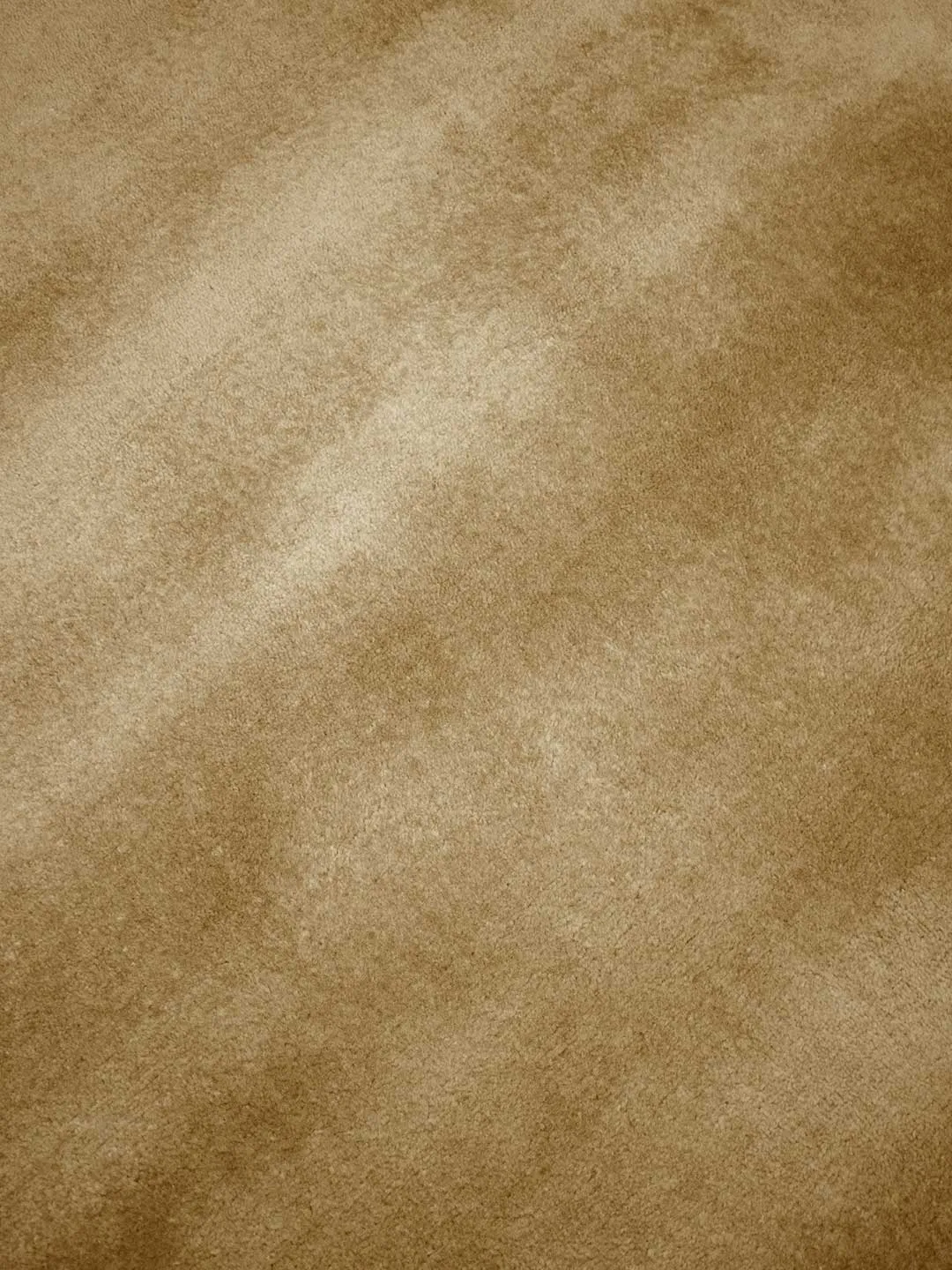
Jute Rug Care
Jute is one of the most beautiful natural fibers in rug making, but it requires a distinctly different maintenance philosophy from wool or cashmere. Jute is a plant fiber, not a protein fiber, and its primary vulnerability is moisture. Water can cause jute to brown, shrink, and develop mildew if not managed carefully. The rule for jute is simple: keep it dry.
Daily and weekly care. Vacuum jute rugs regularly — weekly in high-use areas, fortnightly in lower-traffic rooms. A suction-only vacuum works best. Jute is particularly prone to trapping fine grit between the fibers, which can abrade the natural yarns from the inside over time if not removed. Shake smaller jute rugs outdoors occasionally to dislodge embedded particles.
Spot cleaning. Act immediately on any spill. Blot, never rub. Use a dry or barely damp cloth for most spills. If moisture must be used, use as little as possible and dry the area immediately with a fan or hair dryer on the cool setting. Avoid placing jute rugs in rooms with high humidity (bathrooms, laundry rooms, below-grade spaces) or in positions where they may receive direct water from open windows.
Deep cleaning. Professional dry cleaning only. Do not wet-wash a jute rug. Most professional rug cleaners are familiar with jute's requirements — confirm their approach before proceeding. For ongoing maintenance, a light spray of a water-repellent treatment designed for natural fibers can add a useful layer of protection in homes with children or pets.

Silk Rug Care
Silk rugs — and rugs with silk highlights in a wool foundation — are the most demanding to maintain. Silk fibers are lustrous precisely because they are smooth and fine, but that same fineness makes them vulnerable to abrasion, strong sunlight, alkaline cleaners, and moisture. A silk rug in the wrong location will deteriorate noticeably; a silk rug in the right location and with proper care will remain luminous for generations.
Placement. Avoid placing silk rugs in high-traffic areas, in direct sunlight, or in rooms with significant humidity fluctuation. Silk benefits enormously from a quality rug pad that minimizes friction between the rug foundation and the floor. Rotate regularly to distribute any light exposure evenly.
Spot cleaning. Water and silk are not friends. Any moisture applied to silk should be minimal, cool, and followed by immediate careful drying. For most incidents, professional cleaning is the safest response. If immediate action is required, blot the spill with a clean dry cloth and take the rug to a specialist as soon as possible.
Deep cleaning. Always professional, always by a specialist in fine silk rugs. This is non-negotiable. The cost of professional cleaning is trivial relative to the cost of replacing a damaged silk piece.
Seasonal Maintenance Calendar
Spring. Shake or beat the rug gently outdoors to remove winter accumulation. Rotate 180 degrees. Check the underside for any signs of mildew, moth damage, or wear. Inspect the rug pad and replace if it has hardened or deteriorated. Schedule professional cleaning if it has been more than 18 months.
Summer. Monitor sun exposure. Close blinds during peak afternoon hours in rooms with direct sun, or apply UV-filtering window film. Cashmere and silk are particularly vulnerable to UV degradation over time. If the room is air-conditioned, ensure the rug is not subjected to condensation from cold vents.
Fall. Another rotation. Vacuum thoroughly before the heating season begins — central heating reduces humidity and can cause natural fiber rugs to feel slightly more brittle. A humidifier in dry climates is genuinely beneficial for wool and cashmere rugs.
Winter. If the rug will be in storage over an extended period, roll it (never fold) around an acid-free tube, wrap in breathable cotton muslin or a clean cotton sheet, and store flat or on a clean surface. Never store in plastic, which traps moisture. Treat with a moth deterrent appropriate for natural fibers before storage.
Emergency Stain Guide
Red wine. Blot immediately with a clean white cloth. Pour a small amount of sparkling water on the stain to dilute and continue blotting. Do not scrub. For wool and cashmere, follow with a drop of pH-neutral wool wash in cool water. Do not use salt — it can set the stain in some fiber types.
Coffee. Blot immediately. A solution of one teaspoon of white vinegar in a cup of cool water, applied and blotted (not rubbed), works well on wool. Avoid this on silk. Follow with plain cool water to rinse any residue.
Pet accidents. Blot solids, then liquids. Rinse the area with cool water and blot thoroughly. An enzymatic cleaner designed for pet stains and safe for natural fibers is the most effective treatment for wool rugs — the enzymes break down the organic compounds that cause odor. Avoid ammonia-based cleaners, which can smell similar to urine and encourage repeat incidents. For cashmere and silk, seek professional help rather than attempting home treatment.
Oil and grease. Absorb as much as possible with a clean cloth. Sprinkle cornstarch or baking soda over the affected area, leave for several hours to absorb remaining oil, then vacuum carefully. Follow with a small amount of dish soap (for wool) or specialist cleaner (for cashmere and silk) diluted in cool water, applied and blotted clean.
When to Call a Professional
Some situations always warrant professional attention: large spills that have soaked through to the foundation, any incident on silk, persistent odors, mold or mildew, fraying edges, foundation damage, or color bleeding. A specialist rug cleaner — not a general carpet cleaning company — will have the expertise, equipment, and knowledge of natural fiber chemistry to address these situations without causing further damage.
Ask specifically whether they have experience with hand-knotted rugs, and whether they use a wet-washing or dry process. For wool and cashmere, both can be appropriate; for jute and silk, only dry cleaning should be considered.
A handmade rug that has been properly cared for is one of the most enduring objects in a home. The artisans who made it invested weeks or months of their working lives in its creation. The care you give it honors that investment and ensures the piece remains beautiful for as long as it lives in your home. For further guidance on materials and construction, explore our craft pages or browse our cashmere, wool, and jute collections.


