

Wool is one of the most forgiving natural fibers you can put on a floor. Its outer layer — the cuticle — naturally repels liquids for a few crucial seconds before they can penetrate the fiber. Its lanolin content resists soil. Its resilience means it springs back from crushing. A well-made wool rug, properly cared for, will not merely survive daily life. It will improve with it, developing a surface patina that only comes from genuine use. Knowing how to clean wool rugs correctly is the difference between a rug that lasts twenty years and one that lasts a lifetime.
The fundamentals are simpler than most people assume, and the common mistakes are avoidable once you understand what wool actually needs.
Understanding Wool Before You Clean It
The single most important thing to know about cleaning wool is this: wool is harmed by heat and harsh alkaline chemicals, not by careful moisture. Many well-intentioned cleaning attempts go wrong because someone uses a hot-water extraction machine, a steam cleaner, or a cleaning product designed for synthetic carpets. Any of these can cause irreversible damage: shrinkage from heat, color bleeding from alkaline pH, or fiber distortion from aggressive mechanical action.
Wool's natural pH is slightly acidic. Cleaning products should match this, or be neutral. Look for products specifically labeled for wool or natural fiber rugs, or use a dilute solution of white distilled vinegar (one tablespoon per quart of cool water) for spot treatment. Never use bleach, baking soda, or enzyme-based cleaners designed for pet stains on wool — they work by mechanisms that damage wool's protein structure.
Daily and Weekly Care: The Foundations of Longevity
Vacuuming
Regular vacuuming is the single most effective thing you can do for a wool rug. It removes the dry soil, grit, and debris that, left in place, act as an abrasive against the fibers with every footstep. Vacuum at least once a week in normal traffic areas, twice in heavy-traffic zones.
Use a suction-only vacuum or set your upright to the lowest beater-bar height (or, ideally, turn the beater bar off entirely). Aggressive beater bars on hand-knotted or hand-loomed rugs can pull pile fibers out of their knots over time, particularly at the pile tips. Move the vacuum with the direction of the pile — you can determine this by running your hand across the surface: the direction that feels smooth is with the pile, the direction that feels slightly resistant is against it.
Vacuum both sides of the rug every three to four months. The underside accumulates more particulate matter than most people realize, and cleaning it prevents that material from working back through the pile from below.
Rotation
Rotate your rug 180 degrees every six to twelve months. This ensures that any directional wear — from foot traffic patterns, or from one side receiving more sun than the other — distributes evenly across the surface. It is the single most underrated act of rug maintenance, and it costs nothing.
Rug Pads
A quality rug pad under your wool rug is not optional. It prevents slipping, protects the floor beneath, and crucially, lifts the rug slightly so that soil falling through the pile has somewhere to go rather than being trapped. Use a felt pad for hand-knotted rugs (not rubber, which can stick to both the rug backing and the floor finish over time). Replace the pad when it begins to compress or crumble, typically every five to seven years.
Spot Cleaning: Handling Spills Correctly
Speed matters with spills. The faster you act, the better your outcome. Wool's natural water resistance gives you a window of perhaps 30 seconds to a minute before a liquid begins to penetrate the fiber. Use that time well.
- Blot immediately, never rub. Use a clean white cloth or paper towel, press firmly, and lift straight up. Rubbing spreads the spill and pushes liquid deeper into the pile.
- Work from the outside in. Start at the edge of the spill and blot toward the center to prevent spreading.
- Apply cool water sparingly. Dampen a fresh cloth with cool water and blot to dilute any remaining residue. Avoid saturating the rug.
- Neutralize if needed. For coffee, tea, or food spills, a solution of one teaspoon of mild dish soap in one cup of cool water, applied and blotted, will lift most residue.
- Dry thoroughly. Place a dry towel over the cleaned area and weigh it down (a heavy book works well) for thirty minutes. Then allow the rug to air dry completely before replacing furniture or walking on it.
Common Stains and How to Treat Them
Red wine
Blot immediately to remove as much liquid as possible. Apply club soda to dilute and blot again. If a stain remains, apply a solution of one tablespoon white wine vinegar and one tablespoon mild dish soap in two cups of cool water. Blot, do not scrub. Rinse with cool water and blot dry.
Coffee and tea
Blot up the liquid. Apply a mild dish soap solution (one teaspoon in one cup cool water), blot, then rinse with cool water. Coffee tannins can set quickly, so speed is especially important with these spills.
Pet urine
This is the most damaging common spill for wool rugs because urine is strongly alkaline when fresh and becomes even more so as it dries and converts to ammonia. Blot up as much as possible immediately, then apply cool water to dilute and blot again. Apply a solution of one part white wine vinegar to two parts cool water to neutralize the alkalinity. Blot thoroughly and dry completely. If the spill has already dried and set, professional cleaning is the safest approach — the crystallized urine salts require extraction equipment to fully remove.
Grease and oil
Sprinkle cornstarch or baking soda generously over the spot and leave it for 15 to 20 minutes to absorb the oil. Vacuum carefully. Apply a small amount of undiluted dish soap to a damp cloth, work it gently into the spot in one direction, then rinse with a damp cloth and blot dry.
Mud
Allow mud to dry completely — never try to clean wet mud, as this pushes it deeper into the pile. Once dry, vacuum or gently brush away the dried mud. Treat any remaining stain with a mild dish soap solution.
Deep Cleaning: Once or Twice a Year
A thorough deep clean removes the accumulated soil and residue that regular vacuuming and spot treatment cannot reach. Most wool rugs benefit from a deep clean once a year in normal use, twice yearly in high-traffic or pet-occupied homes.
The shake and beat method is effective for smaller rugs. Take the rug outdoors, hang it over a railing or clothesline, and beat it with a rug beater or clean broom handle. The loosened material that falls out is remarkable. Follow with vacuuming both sides.
Hand washing is appropriate for small to medium wool rugs. In a shaded outdoor area, lay the rug face-up on a clean surface. Using a garden hose at low pressure, wet the rug thoroughly with cool water. Apply a wool-safe rug shampoo diluted according to its instructions, work it into the pile gently with a soft brush in the direction of the pile, then rinse completely until the water runs clear. Roll the rug in clean towels to remove excess water — do not wring — then unroll and allow to dry flat, out of direct sunlight, until completely dry. This can take a full day or more depending on humidity.
For rugs larger than 6 by 9 feet, or for hand-knotted pieces with particularly fine construction, hand washing at home carries real risk of uneven drying and subsequent distortion. Professional cleaning is the safer choice.
Professional Cleaning: What to Look For
Have your wool rug professionally cleaned every one to three years, depending on use. A good rug cleaning specialist will hand-wash the rug in a controlled environment, use pH-neutral wool-safe solutions, and dry the rug flat under controlled conditions to prevent distortion.
Questions to ask before leaving your rug with a cleaner:
- Do you hand-wash rugs, or do you use hot water extraction machines? (Hot water extraction is inappropriate for wool hand-knotted rugs.)
- What cleaning solutions do you use, and are they suitable for natural fibers?
- Do you dry rugs flat or hang them? (Flat is correct for preventing distortion.)
- Can you treat specific stains before cleaning?
Avoid dry cleaners, laundromats, and any service that does not specialize in rugs. The chemicals and mechanical action used in general textile cleaning are often incompatible with wool.
Seasonal Care and Storage
If you store a wool rug seasonally, preparation matters. Clean the rug thoroughly before storage — soil left in the pile during storage provides a food source for moth larvae, which can cause devastating damage. Once clean and completely dry, wrap the rug in acid-free paper (not plastic, which traps moisture) and roll it pile-side in. Store in a cool, dry location away from direct sunlight and fluctuating humidity.
Natural moth repellents — cedar blocks, lavender sachets — can be placed near (not touching) stored rugs. Inspect stored rugs every few months for any signs of insect activity.

Care Notes for Kapetto Wool Rugs Specifically
The Kapetto wool collection uses New Zealand Merino wool, which has a natural lanolin content that provides above-average soil and liquid resistance. The construction — hand-knotted for Kiri, hand-loomed for Nami and Yuka — affects care in the following ways:
Kiri (hand-knotted): The 100 KPSI construction is dense and durable. Vacuum with care around the fringe, as the fringe is part of the structural warp and should not be sucked into the vacuum. Rotate every six months. Professional cleaning every two years in normal residential use.
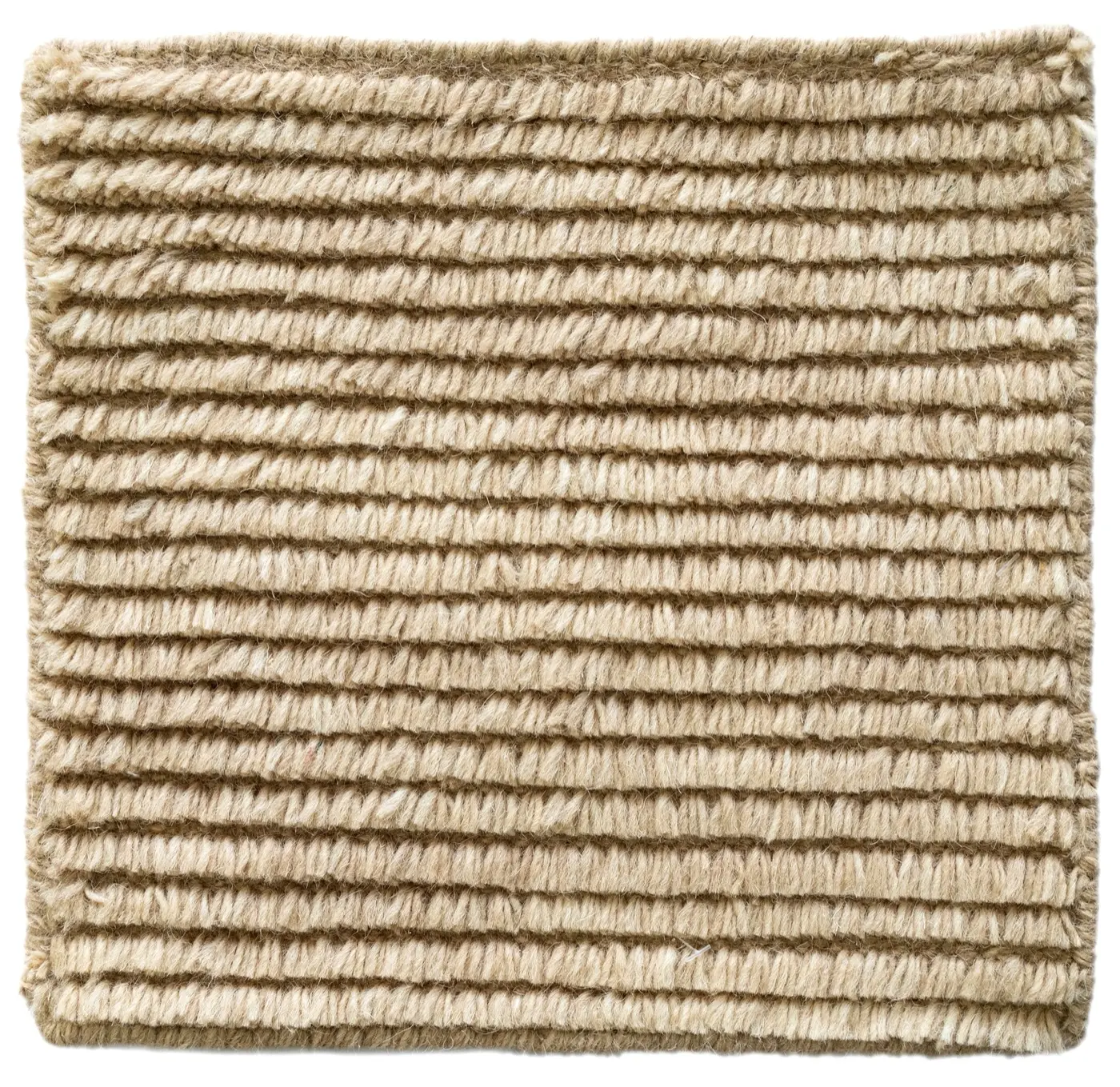
Nami (hand-loomed): The looped and cut pile benefits from gentle vacuuming with the pile direction. Avoid over-wetting during spot treatment. The caramel colorway is forgiving of minor marks; lighter colorways warrant more immediate attention to spills.
Yuka (flat-weave): The absence of pile makes this the easiest wool construction to clean. Surface soil brushes away readily, and the flat weave is more tolerant of moisture than pile constructions. Can be cleaned more vigorously if needed.
For any care question specific to your Kapetto rug, our team is reachable through the contact page and can advise based on your exact piece and the specific situation you are dealing with.
Frequently Asked Questions
Can I use a steam cleaner on a wool rug?
No. Steam cleaners operate at temperatures that cause wool fibers to shrink and felt irreversibly. Even brief exposure can cause permanent damage. Use cool or lukewarm water only.
How do I get a wool rug to stop shedding?
New wool rugs shed for the first few weeks to months as loose fiber ends from the manufacturing process work their way out of the pile. This is normal and will stop. Vacuum regularly during this period — it accelerates the process. If shedding continues beyond six months, contact the seller.
Can I put a wool rug in the washing machine?
For small rugs (under 3 by 5 feet), a front-loading washing machine on a cold, delicate cycle with a wool-specific detergent can work, but always check the care label first. Never put a hand-knotted rug in a washing machine regardless of size. The mechanical agitation will loosen the knots and damage the structural integrity of the piece.
How do I fix a crushed area in a wool rug?
Lightly mist the crushed area with cool water, then hold a steam iron about six inches above the surface (do not touch the iron to the rug) and use the steam function to introduce moisture and heat. Use your fingers or a soft-bristle brush to work the pile back upright. Allow to dry completely.


